The quest for a brilliant white smile often leads people to question whether their efforts are truly worthwhile, especially if they feel their teeth are simply, inherently yellow. If you've tried over-the-counter whitening kits with disappointing results, you've likely asked the core question: can naturally yellow teeth be whitened?
The good news, according to dental experts, is yes, they can, but the approach must be different from how you treat surface stains. Understanding the underlying cause of your teeth's yellow hue is the essential first step to finding a truly effective solution.
Why Are Some Teeth Naturally Yellow?
While most tooth discoloration is due to external factors like coffee, tea, or smoking (extrinsic staining), a natural yellow tint is often rooted deeper within the tooth stThe Final Verdictructure.
The Role of Dentin and Enamel
Your teeth are composed of two main layers:
-
Enamel: This is the hard, outermost surface of your tooth—the hardest tissue in the human body. Enamel is relatively white, but it is also somewhat translucent.
-
Dentin: This layer lies directly beneath the enamel. Dentin is naturally softer and typically has a yellowish color.
When teeth appear naturally yellow, the problem is usually a case of intrinsic discoloration, which is deeper than surface stains.
-
Thin Enamel: If you have a naturally thinner layer of enamel (often due to genetics), the yellow color of the underlying dentin will shine through more clearly.
-
Yellow Dentin: Some individuals simply have dentin that is a darker shade of yellow than the average person's. This discoloration can be caused by genetics, certain medications (like tetracycline taken during childhood), or aging.
Since the yellowness originates under the enamel, simply bleaching the surface won't deliver the dramatic results you seek.
Fresh Breath Starts Naturally
Keep your mouth feeling clean and refreshed throughout the day with authentic miswak sticks.
Get Fresh Miswak DeliveredWhy Conventional Bleaching Kits Fall Short
This is the key reason many at-home remedies fail for intrinsic yellowing.
Over-the-counter bleaching kits, whitening toothpastes, and strips are formulated primarily to bleach and remove stains from the outer enamel layer.
If your dentin is the main source of the discoloration:
-
Limited Penetration: Most home treatments cannot effectively penetrate the enamel layer to lighten the pigment in the dentin.
-
Worsening the Problem: When used too often, the chemicals in these kits can actually start to wear away the tooth enamel. A thinner enamel layer will only cause the color of your already-yellow dentin to become more visible, worsening the problem rather than fixing it.
For teeth that are fundamentally yellow due to dentin color or thin enamel, a more intensive, professional method is required to successfully answer whether naturally yellow teeth can be whitened.
The Expert Solution: Deep Bleaching Systems
When dentin discoloration is the issue, dentists recommend a professional approach designed to penetrate deeper into the tooth structure. The most effective method currently available is often referred to as Deep Bleaching.
How Deep Bleaching Works (KöR Whitening System)
Deep Bleaching systems, such as the widely respected KöR Whitening Deep Bleaching™ System, are specifically engineered to address stubborn, intrinsic discoloration that goes beyond the enamel.
-
Extended and Active Whitening: Unlike conventional gels that are active for only 20-30 minutes before being neutralized by saliva, Deep Bleaching often uses specialized, custom-fitted trays that seal the whitening gel from saliva and sulcular fluid. This allows the high-potency gel to remain active and diffuse thoroughly into the tooth microstructure for 6 to 10 hours, typically worn overnight.
-
Deep Cleansing: This prolonged, potent oxygenation process is able to deeply cleanse the tooth structure, allowing the bleaching factors to permeate the dentin. This essentially rejuvenates the tooth's ability to absorb the whitening agent, breaking down large, deep-set stain molecules.
-
Effectiveness on Tough Stains: This process is so effective that it can deliver stunning results even in cases of severe tetracycline staining or genetic discoloration, which were previously thought to be impossible to treat.
While the process can take several weeks, involving nighttime tray wear, it is considered the safest and most effective method for making naturally yellow teeth pearly white. Patients often report superb, long-lasting results that far exceed those of conventional treatments.
Olive Tree Compounds Show Activity Against Periodontal Pathogens
Research published in BioMed Research International (Wiley) found that Olea europaea (olive tree) extracts demonstrated antimicrobial activity against several important periodontal pathogens, including Porphyromonas gingivalis, Prevotella intermedia, and Fusobacterium nucleatum. These bacteria are commonly associated with plaque accumulation and gum disease.
Read the Study →How to Make Natural Teeth Whitening Work Safely
While professional treatments target the core color, it is still crucial to maintain the whitened result and manage surface stains through safe and natural daily practices. How to make natural teeth whitening a part of your routine involves focusing on prevention, gentle cleaning, and strengthening your enamel.
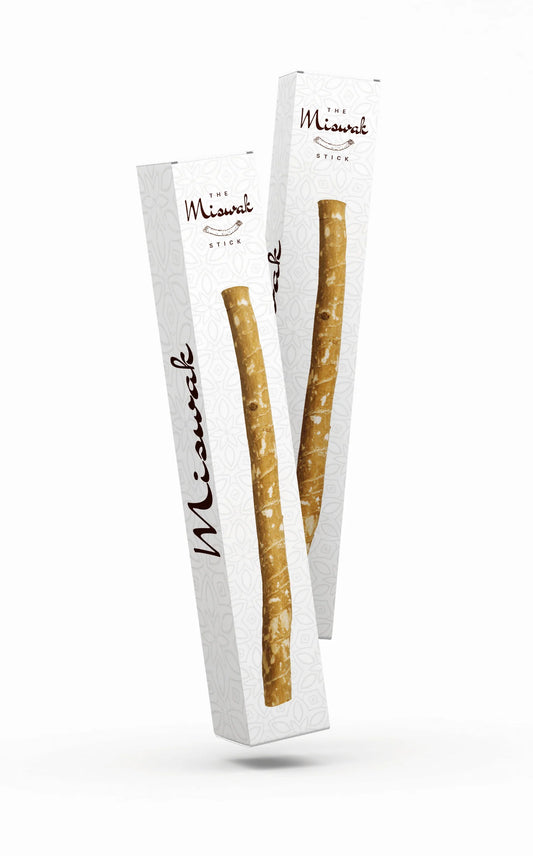
1. The Ancient, All-Natural Cleanser: Miswak Stick
For millennia, people in the Middle East, Africa, and Asia have relied on the miswak stick (or siwak) for oral care. It stands out as an exceptional, natural maintenance tool.
-
Gentle Abrasives: The miswak contains natural abrasives like silica that gently polish the teeth and remove surface stains without damaging enamel. This helps keep professionally whitened teeth bright.
-
Natural Compounds: It is rich in minerals (like calcium and fluoride) that strengthen enamel and contains natural antibacterial and anti-plaque compounds, promoting a healthier mouth and reducing the environment where new stains can thrive.
2. Diet and Prevention
The easiest and safest way to keep teeth white is through dietary choices and good hygiene:
-
Crunchy Produce: Foods like apples, celery, and carrots act as natural toothbrushes, physically scrubbing away plaque and stimulating saliva flow to wash away staining agents.
-
Dairy and Leafy Greens: Foods high in calcium, like cheese and kale, help to fortify your enamel, making it more resistant to erosion and allowing less of the yellow dentin to show through.
-
Rinse with Water: Always drink plenty of water and rinse your mouth immediately after consuming highly pigmented or acidic foods and drinks (coffee, red wine, citrus).
3. Safe Home Remedies (Used Sparingly)
While they won't change your dentin color, these natural ingredients can help lift new surface stains:
-
Baking Soda Paste: Baking soda is a mild, proven abrasive. Mix it with a small amount of water or a low-concentration hydrogen peroxide (3%) to form a paste and use it occasionally (once a week) to scrub the surface stains.
-
Coconut Oil Pulling: Swishing a tablespoon of coconut oil for 10-20 minutes can reduce plaque-causing bacteria, which contributes to a cleaner, brighter tooth surface.
Frequently Asked Questions
Can naturally yellow teeth become white?
Yes, naturally yellow teeth can become whiter. Professional whitening treatments are often the most effective option for reducing deep yellow discoloration.
Why are some teeth naturally yellow?
Some people naturally have thinner enamel or darker dentin beneath the enamel, which can make their teeth appear more yellow than others.
Do whitening toothpastes work on naturally yellow teeth?
Whitening toothpastes can help remove surface stains, but they generally cannot change the natural color of the dentin inside the tooth.
Can Miswak help keep teeth white?
Yes, Miswak can help remove surface stains and plaque, making it easier to maintain a cleaner and brighter-looking smile over time.
What is the best way to maintain white teeth?
Brush regularly, use Miswak as part of your oral care routine, drink plenty of water, and limit staining foods and beverages such as coffee, tea, and tobacco products.
The Final Verdict
The answer to "Can naturally yellow teeth be whitened?" is a resounding yes, but the key is identifying the cause.
-
For Deep Intrinsic Yellowing (Dentin): Consult a cosmetic dentist about advanced procedures like Deep Bleaching (e.g., the KöR System) for truly transformative, long-lasting results.
-
For Maintenance and Surface Stains: Integrate safe natural methods like the miswak stick, an enamel-strengthening diet, and gentle home practices to keep your smile looking its best.
By moving beyond ineffective surface-level treatments and addressing the discoloration at its source, you can finally achieve the pearly white smile you've always wanted.
Start Your Natural Oral Care Journey Today
Cleaner teeth. Fresher breath. Healthier gums. Experience the benefits of authentic miswak for yourself.
Shop Fresh Miswak Sticks -