Swollen gums are a common oral health issue that can cause discomfort, tenderness, and even bleeding. Many people wonder whether brushing swollen gums is safe or if it might make the problem worse. The short answer is yes, it is generally okay—and often necessary—to brush swollen gums, but it must be done correctly and gently. Understanding the causes of swollen gums and how to care for them properly can help prevent more serious dental problems.
What Causes Swollen Gums?
Before deciding how to brush, it’s important to understand why gums become swollen in the first place. Common causes include:
-
Gingivitis: The early stage of gum disease caused by plaque buildup.
-
Poor oral hygiene: Infrequent brushing and flossing allow bacteria to irritate the gums.
-
Aggressive brushing: Brushing too hard can damage gum tissue.
-
Hormonal changes: Pregnancy, puberty, or menopause can make gums more sensitive.
-
Vitamin deficiencies: Especially a lack of vitamin C.
-
Infections or abscesses: Bacterial infections can lead to inflammation.
-
Ill-fitting dental appliances: Braces or dentures can irritate gums.
If swelling persists for more than a week, it may indicate an underlying condition that requires professional care.
Fresh Breath Starts Naturally
Keep your mouth feeling clean and refreshed throughout the day with authentic miswak sticks.
Get Fresh Miswak DeliveredIs It Safe to Brush Swollen Gums?
Yes, brushing swollen gums is safe and recommended, as long as you use the right technique. Avoiding brushing can allow plaque and bacteria to build up, which may worsen inflammation and increase the risk of gum disease.
However, brushing aggressively or using the wrong tools can further irritate the gums. The key is to maintain oral hygiene while being gentle.
How to Brush Swollen Gums Properly
If your gums are swollen or tender, follow these best practices:
1. Use a Soft-Bristled Toothbrush
Choose a toothbrush with soft or extra-soft bristles. Hard bristles can tear gum tissue and increase inflammation.
2. Brush Gently
Use light pressure and small circular motions rather than scrubbing back and forth. Gentle brushing helps remove plaque without damaging sensitive gums.
3. Choose a Mild Toothpaste
Opt for toothpaste designed for sensitive gums or one that contains fluoride and anti-inflammatory ingredients. Avoid harsh whitening toothpastes during this time.
4. Brush Twice a Day
Consistency matters. Brush at least twice daily to control bacteria, even if your gums are swollen.
5. Don’t Skip the Gum Line
Plaque tends to accumulate along the gum line. Gently cleaning this area is crucial for reducing swelling.
Should You Floss If Your Gums Are Swollen?
Yes, flossing is important—even if your gums bleed slightly at first. Bleeding often occurs because gums are inflamed, not because flossing is harmful. Regular flossing helps remove plaque between teeth, which can reduce swelling over time. Use gentle movements and avoid snapping the floss into your gums.
What to Avoid When You Have Swollen Gums
To prevent worsening the condition, avoid:
-
Brushing with hard bristles
-
Applying excessive pressure
-
Using alcohol-based mouthwashes (they can dry and irritate gums)
-
Ignoring the problem for too long
-
Smoking or using tobacco products
Home Remedies to Reduce Gum Swelling
In addition to proper brushing, these remedies may help soothe swollen gums:
-
Warm saltwater rinses to reduce bacteria and inflammation
-
Cold compresses on the cheek to reduce swelling
-
Staying hydrated to prevent dry mouth
-
Eating a balanced diet, especially foods rich in vitamin C
-
Antibacterial mouthwash (alcohol-free)
These methods can provide temporary relief but should not replace professional dental care if symptoms persist.
When Should You See a Dentist?
You should consult a dentist if:
-
Gum swelling lasts longer than 7–10 days
-
There is severe pain or pus
-
Gums bleed excessively
-
You notice loose teeth or bad breath that doesn’t go away
Early treatment can prevent gingivitis from progressing into periodontitis, a more serious gum disease.
Is It OK to Brush Swollen Gums? Final Verdict
Yes, it is not only okay but essential to brush swollen gums, as long as you do so gently and correctly. Proper brushing helps remove plaque, reduce inflammation, and promote healing. Avoiding oral hygiene can worsen gum problems and lead to more serious dental issues.
The Role of the Miswak Stick in Gum Health
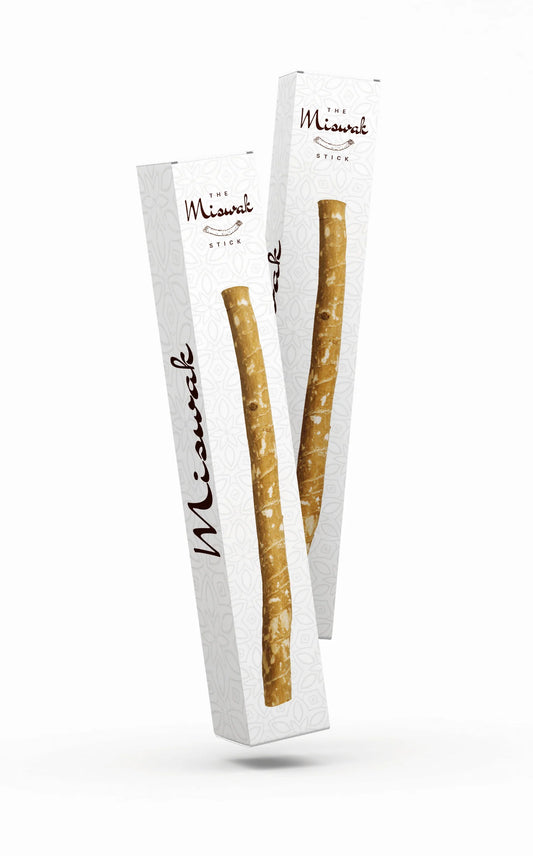
The miswak stick, a natural teeth-cleaning twig traditionally used in many cultures, is known for its antibacterial and anti-inflammatory properties. Made from the Salvadora persica tree, miswak contains natural compounds that help reduce plaque, strengthen gums, and fight harmful bacteria. When used gently, miswak can be a helpful alternative or supplement to brushing, especially for people with sensitive or swollen gums. However, it should be used correctly and not too aggressively, and it does not replace regular dental checkups or modern oral hygiene tools.
Frequently Asked Questions
Should you brush swollen gums?
Yes. Gentle brushing helps remove plaque and bacteria that may worsen gum inflammation.
Can brushing make swollen gums worse?
Aggressive brushing or hard bristles may irritate swollen gums further, which is why gentle cleaning is important.
What causes swollen gums?
Common causes include plaque buildup, gum inflammation, poor oral hygiene, smoking, and irritation from harsh brushing.
Is miswak good for swollen gums?
Many people use miswak because its soft natural fibers gently clean teeth while massaging the gum line.
How can you reduce gum swelling naturally?
Consistent oral hygiene, hydration, salt water rinses, and gentle cleaning habits may help support healthier gums.
Start Your Natural Oral Care Journey Today
Cleaner teeth. Fresher breath. Healthier gums. Experience the benefits of authentic miswak for yourself.
Shop Fresh Miswak Sticks