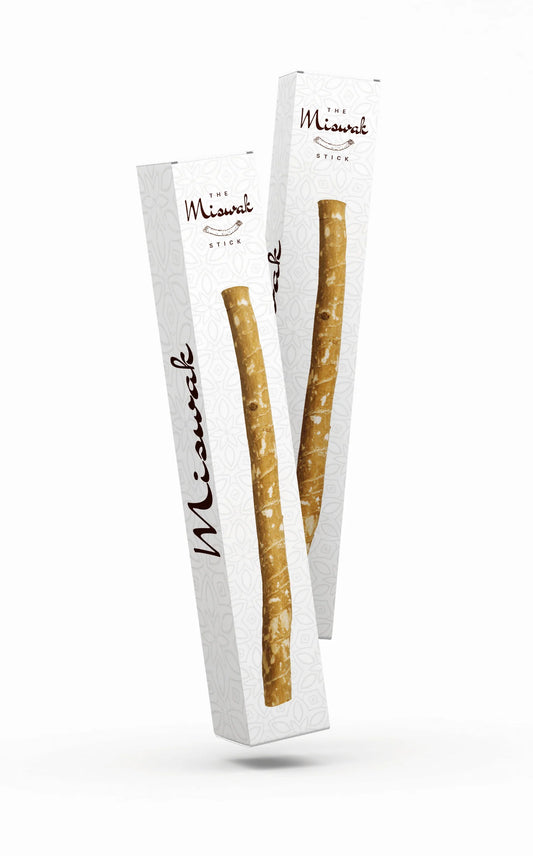
If you use miswak and have noticed your gums receding, it is natural to wonder if the two are connected. This question comes up often and the answer is more nuanced than a simple yes or no.
Miswak has been used for oral hygiene for over a thousand years. The World Health Organization recognizes it as a viable cleaning tool. But like any tool, how you use it matters. In this article, you will learn what research actually says, what else causes gum recession, and how to use miswak safely.
What Is Gum Recession?
Gum recession happens when the gum tissue pulls back, exposing more of the tooth or the root below it. Once gums recede, they do not grow back on their own.
Common Signs
-
Teeth that look longer than before
-
Sensitivity to hot, cold, or sweet foods
-
A visible line or notch near the base of the tooth
-
Exposed tooth roots that feel rough to the tongue
-
Gums that bleed easily or feel tender
Why It Matters
-
Exposed roots have no enamel protection cavities form easily
-
Sensitivity can make eating uncomfortable
-
Severe recession can loosen teeth and lead to tooth loss

Can Miswak Cause Gum Recession?
The short answer: it can, but it usually does not if used properly. Studies show mixed results:
-
Some research found higher recession rates among frequent miswak users
-
Other studies found no significant difference when technique was correct
-
No study has concluded that miswak itself, independent of technique, is the direct cause
The consistent pattern across research: force and frequency are the deciding variables, not the stick itself.
What Research Says
2025 Systematic Review
A 2025 systematic review in the Journal of Dental Sciences analyzed multiple studies on miswak and gum health. Key findings:
-
Higher recession rates were observed in some frequent miswak user groups
-
Results were inconsistent across populations and study methods
-
Researchers could not confirm miswak as a direct cause technique was the recurring variable
Earlier Studies
-
Studies published via NIH found miswak users had better plaque scores than toothbrush users in some populations
-
Antibacterial compounds in Salvadora persica were shown to reduce harmful oral bacteria
-
Horizontal scrubbing with miswak was linked to localized gum trauma in several papers
Why There Is No Final Answer Yet
-
Studies use different methods for measuring recession
-
Different populations, miswak species, and usage habits make comparison difficult
-
Very few studies specifically control for technique
Why Some Miswak Users Develop Receding Gums
Miswak is not automatically the cause but these specific habits can make it one:
-
Too much pressure pressing hard does not mean cleaning better, it means damaging gums
-
Scrubbing the same spot repeatedly causes localized recession on specific teeth
-
Using a dry, stiff, or worn-out stick old fibers act like sandpaper on soft tissue
-
Using miswak too many times per day repeated friction without recovery adds up
-
Pre-existing gum disease inflamed gums are more fragile and vulnerable to any friction
-
Never replacing the stick worn ends lose their softness and increase abrasion
7 Other Causes of Gum Recession
Many people blame miswak when something else is actually responsible. These are the more common culprits:
-
Brushing too hard with a toothbrush one of the most underreported causes worldwide
-
Gum disease (periodontitis) bacterial buildup destroys the tissue supporting your teeth
-
Smoking reduces blood flow to gums and impairs their ability to heal
-
Teeth grinding (bruxism) places excessive mechanical force on teeth and surrounding tissue
-
Crooked or misaligned teeth uneven pressure during chewing and cleaning
-
Aging some degree of gum change over decades is a natural process
-
Poor overall dental hygiene plaque and tartar buildup eventually leads to recession
Can Miswak Damage Tooth Enamel?
Enamel wear and gum recession are two different things. Research from James Cook University found that fibrous miswak ends used with force can cause localized abrasion on both tooth surfaces and gum tissue. Some dental case reports describe unusual wear patterns in long-term aggressive users. The practical takeaway:
-
Used gently no meaningful enamel damage
-
Used with force over years risk of both enamel wear and gum recession increases

Benefits of Miswak for Oral Health
-
Removes plaque effectively comparable to a toothbrush in multiple studies
-
Freshens breath naturally aromatic compounds provide lasting freshness without chemicals
-
Reduces harmful bacteria natural alkaloids and sulfur compounds inhibit decay-causing bacteria
-
Reduces gum inflammation several studies show lower bleeding scores in miswak users
-
No water or toothpaste needed practical for travel, prayer, and on-the-go use
-
WHO-recognized recommended as a viable oral hygiene tool in regions with limited dental access
How to Use Miswak Without Hurting Your Gums
All miswak-related gum problems are largely preventable with correct habits:
-
Choose a fresh, soft stick fibers should feel soft when you chew them open, not stiff or dry
-
Trim worn fibers regularly cut off flattened ends and chew open a fresh tip every few days
-
Apply lighter pressure than you think miswak should glide, not scrub; gums should never feel sore after
-
Clean all surfaces evenly outer, inner, and chewing surfaces; do not concentrate on one area
-
Replace sticks every few days more often if you use miswak multiple times daily
-
Watch for warning signs persistent bleeding, soreness, or raw gums mean something needs to change
Miswak vs Toothbrush for Gum Health
Here is a direct comparison across the factors that matter most:
| Factor | Miswak | Toothbrush |
|---|---|---|
| Plaque Removal | Effective when used correctly | Effective when used correctly |
| Gum Safety | Safe with light pressure | Safe with soft bristles |
| Antibacterial Properties | Yes, natural compounds in the stick | No, it depends on toothpaste |
| Recession Risk | Low with proper technique | Low with proper technique |
| Reach (Back Teeth) | Requires more effort | Easier with handle |
| Portability | Very easy no water needed | Needs water and toothpaste |
| Scientific Support | Growing comparable results in studies | Extensive decades of research |
The bottom line: technique matters more than the tool. A gentle miswak user will likely have healthier gums than an aggressive toothbrush user and vice versa.
When Should You See a Dentist?
Some gum changes can be managed at home. See a dentist if you notice:
-
Persistent bleeding that does not improve after a week of gentle cleaning
-
Visibly swollen, painful, or raw gums
-
Teeth that feel loose or have shifted position
-
Clearly visible tooth roots near the gumline
-
Gum recession that appears to be progressing quickly
-
Sensitivity severe enough to affect eating or drinking
Frequently Asked Questions
Does miswak cause gum recession?
It can, but only when used incorrectly. Proper technique makes miswak safe for gums.
Why do some miswak users develop receding gums?
Usually because of too much pressure, scrubbing one area repeatedly, or using a worn-out stick.
Can gum recession from miswak be reversed?
No, gum tissue does not grow back on its own. A periodontist can perform a graft in severe cases.
Should you stop using miswak if your gums are receding?
Not immediately. First correct your technique. If recession continues, see a dentist to identify the real cause.
What is the safest way to use miswak?
Use a soft, fresh stick with light pressure. Cover all areas of the mouth, replace the stick every few days, and use it one to two times daily.
Is miswak safer than a toothbrush for gum health?
Neither is inherently safer. Technique is what determines whether any cleaning tool protects or harms your gums.
Conclusion
The evidence does not condemn miswak it complicates the picture. Miswak is a capable oral hygiene tool with real antibacterial and plaque-reducing benefits. The risk of gum recession comes from how it is used, not the stick itself.
-
If your gums are receding, look at your technique first
-
Consider other common causes aggressive brushing, gum disease, grinding before blaming miswak
-
A soft stick, light touch, and regular replacement is all it takes to use miswak safely
And if you are ever unsure about what is happening with your gums, a dentist is always the right person to ask.