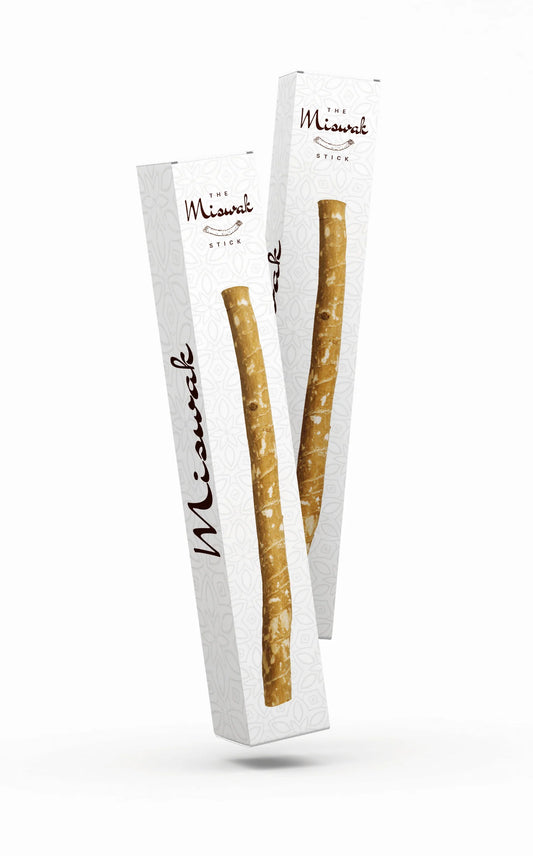
Miswak has been used as a tooth cleaning tool for thousands of years, but the reason it works so well is not just tradition. It comes down to chemistry. The root, stem, and bark of the Salvadora persica tree, the plant miswak is made from, contain a natural mix of compounds that actively fight plaque, bacteria, and decay every time you chew. Understanding what is actually inside a miswak stick explains why it has held up against modern toothbrushes and toothpaste in clinical research for decades.
Fluoride: Nature's Cavity Fighter
Fluoride is one of the most well known ingredients in modern toothpaste, added specifically because it strengthens enamel and fights bacteria. Miswak contains naturally occurring fluoride, giving it the same cavity fighting benefit without any synthetic additives. Research has shown that miswak soaked in low concentration fluoride solutions helps reduce cariogenic bacterial counts and dental decay, and fluoride is well documented for its antimicrobial activity in the oral cavity.
Silica: A Natural Polisher
Silica acts as a natural abrasive, similar to the mild abrasives used in commercial toothpaste to lift stains and buff away plaque. Multiple studies have identified silica in miswak as playing a vital role in caries prevention and helping maintain a healthy pH in the mouth after acid producing bacterial attacks. This is part of why regular miswak users often notice a visible whitening effect over time, since the silica content gently polishes the tooth surface with every use.
Tannic Acid: Fighting Fungal Growth
Tannic acid found in miswak has antifungal properties, helping reduce the presence of Candida albicans, a fungus that can overgrow in the mouth and contribute to oral health issues. This gives miswak a broader protective role beyond just plaque and cavities, extending into fungal balance within the oral cavity.
Sulphur Compounds: Natural Bacteria Fighters
Sulphur present in miswak acts as a bactericidal agent, directly reducing the bacterial count in the mouth. Since bacterial buildup is the root cause of plaque, gingivitis, and bad breath, this natural antibacterial action is central to why miswak has such a strong reputation for oral hygiene maintenance.
Calcium and Chloride: Remineralizing the Enamel
Calcium and chloride work together in miswak to inhibit demineralization and actively promote remineralization of the tooth surface. These minerals also play a buffering role in the oral cavity, helping maintain a favorable pH and preventing the acidic conditions that lead to enamel erosion. Chloride specifically helps prevent calculus, the hardened plaque deposits that build up over time, from forming on the teeth.
Salvadorine: A Natural Alkaloid With Bactericidal Power
Salvadorine, an alkaloid unique to Salvadora persica, has documented bactericidal properties and is also believed to have a stimulatory effect on gingival tissue. This compound is part of why miswak users have reported healthier gums and reduced gingival bleeding compared to conventional toothbrush users in several clinical studies.
Essential Oils: Natural Antiseptic Protection
The essential oils naturally present in miswak act as antiseptics, disinfecting the oral cavity as you chew. This is part of what makes a fresh miswak stick effectively self disinfecting, without needing the alcohol based antiseptic ingredients found in many commercial mouthwashes.
Benzylisothiocyanate: A Protective Compound
Benzylisothiocyanate, one of the more specialized compounds found in miswak, has been studied for its preventive properties against genotoxic and carcinogenic compounds. Research has also shown this compound is well tolerated by oral tissue, supporting its safe, long term use as part of a natural oral hygiene routine.
Resins and Vitamin C: Strengthening and Healing
Resins in miswak form a protective layer on the enamel surface, making teeth more resistant to acid attacks and cavity formation. Vitamin C, also naturally present, supports the healing and repair of oral tissue, which is part of why miswak has shown positive effects in promoting gingival wound healing after procedures like tooth extraction.
Why This Natural Chemistry Matters
Put all of these compounds together and it becomes clear that a miswak stick is not simply a mechanical brushing tool. Every time it is chewed, it releases a natural blend of antibacterial, antifungal, remineralizing, and healing compounds directly onto the teeth and gums. This is why studies comparing miswak to conventional toothbrushes and even chlorhexidine mouthwash have repeatedly found miswak to be equally or more effective at reducing plaque and improving gingival health, all without a single synthetic ingredient.
For anyone looking to simplify their oral care routine while still getting a scientifically backed result, this natural chemistry is the real story behind miswak's growing popularity.
The Miswak Stick
This is exactly the kind of natural oral care The Miswak Stick was built around. Made from the root of the Salvadora Persica tree, The Miswak Stick brings this centuries old, chemistry backed tradition into a modern, easy to use format, offering a completely natural alternative to plastic toothbrushes and chemical toothpaste. With no additives, no plastic waste, and a routine that takes just a few simple steps to trim, chew, and brush, The Miswak Stick makes it simple to experience the same natural compounds covered above in your daily routine.