If cold drinks make you wince, sweets leave a lingering ache, or your overall oral comfort isn’t what it used to be, you are not alone. Many people notice their teeth becoming sensitive, slightly weak, or more prone to cavities over time.
The good news? Your teeth can be supported and strengthened with the right daily habits and proper dental care. While tooth enamel does not grow back once it is lost, your mouth has a remarkable natural repair process that helps protect and rebuild weakened areas.
In this guide, you’ll learn simple, practical, and realistic ways to improve tooth strength using both natural habits and modern dental care.
Why Do Teeth Start to Feel Weak Over Time?
Teeth don’t become weak overnight. Enamel erosion and weakening usually happen slowly due to a combination of daily habits and lifestyle choices:
-
Enamel Wear
Enamel is the hard outer layer protecting your teeth. When it thins out, the underlying dentin gets exposed, leading to sharp sensitivity.
-
Sugar and Acid Attacks:
Every time you eat sugary or acidic items, oral bacteria feed on them and produce acids. These acids actively attack and strip minerals from your enamel.
-
Plaque Build-up:
Poor brushing habits leave plaque behind. Plaque turns into tartar, creating a breeding ground for decay and gum disease.
-
Chronic Dry Mouth (Xerostomia):
Saliva is your mouth's natural defense mechanism. It washes away food particles and neutralizes harmful acids. When saliva flow decreases, teeth become highly vulnerable.
-
Lifestyle Factors:
Age, stress (which leads to teeth grinding), and poor nutrition gradually take a toll on oral health.
Can Teeth Really Become Stronger Again?
This is a common question, and the answer comes down to a vital biological process: remineralization.
Once dental enamel is completely gone (like in a deep cavity), it cannot regenerate. However, weakened, demineralized enamel can absolutely regain minerals and harden again.
Your saliva naturally contains essential minerals like calcium and phosphate. When supported by the right oral hygiene habits, saliva acts as a constant, natural repair system to strengthen weak spots and halt early decay before it turns into a permanent cavity. Therefore, the goal is not to "regrow" teeth but to reinforce and protect the tooth structure you already have.
The Simple Science Behind Strong Teeth
Your mouth is a constant battleground between two continuous processes:
-
Demineralization: Happens when you eat sugary or acidic foods, causing minerals to leach out of the enamel.
-
Remineralization: Happens when your mouth's pH returns to neutral, and saliva deposits calcium, phosphate, and fluoride back into the enamel.
To keep your teeth strong, your daily routine must help the remineralization process win the battle.
Natural Ways to Strengthen Teeth (Daily Habits That Work)
Small, consistent adjustments to your daily routine can yield massive long-term benefits for your enamel:
-
Stay Hydrated: Drink plenty of water throughout the day to flush out food residues and maintain optimal saliva production.
-
Avoid Constant Snacking: Give your teeth a break! Constant grazing keeps your mouth in a continuous acidic state. Spacing out meals allows saliva to do its job.
-
Eat Crunchy Vegetables: Chewing raw carrots, celery, and apples stimulates saliva flow and acts as a natural scrubber for teeth.
-
Chew Xylitol Gum: Sugar-free gum containing Xylitol actively prevents the growth of cavity-causing bacteria while boosting saliva production.
-
Breathe Through Your Nose: Mouth breathing dries out oral tissues. If you suffer from dry mouth, practice nose breathing and stay hydrated.
Power Foods to Strengthen Enamel Naturally
Your diet provides the structural building blocks your teeth need to stay strong. Focus on adding these to your meals:
Foods and Habits That Slowly Weaken Teeth
To protect your teeth, you need to minimize the things that actively pull minerals away from your enamel:
-
Liquid Sugars: Soda, energy drinks, and packaged fruit juices coat teeth in sugars and high acids simultaneously.
-
Sticky Sweets: Caramels, dried fruits, and gummy candies stick to the grooves of your teeth, feeding bacteria for hours.
-
Frequent Snacking: Eating starchy or sugary snacks throughout the day prevents your oral pH from recovering.
-
Bruxism (Teeth Grinding): Stress-induced grinding flattens and cracks enamel. If you grind your teeth at night, consider wearing a custom nightguard.
A Daily Dental Care Routine That Actually Works
An effective oral care routine isn't about being aggressive; it's about being consistent and precise:
-
Brush Twice Daily: Use a soft-bristled toothbrush. Brush gently at a 45-degree angle for two full minutes to remove plaque without scratching your enamel.
-
Use Remineralizing Toothpaste: Opt for a toothpaste containing fluoride or nano-hydroxyapatite (nHAp) to actively rebuild weakened enamel surfaces.
-
Floss Every Single Night: Brushing cleans only 60% of the teeth. Flossing clears the tight spaces between teeth where deep cavities usually start.
-
Clean Your Tongue: Use a tongue scraper or your toothbrush to remove bacteria that cause bad breath and acidic plaque buildup.
Can Natural Tools Like Miswak Help?
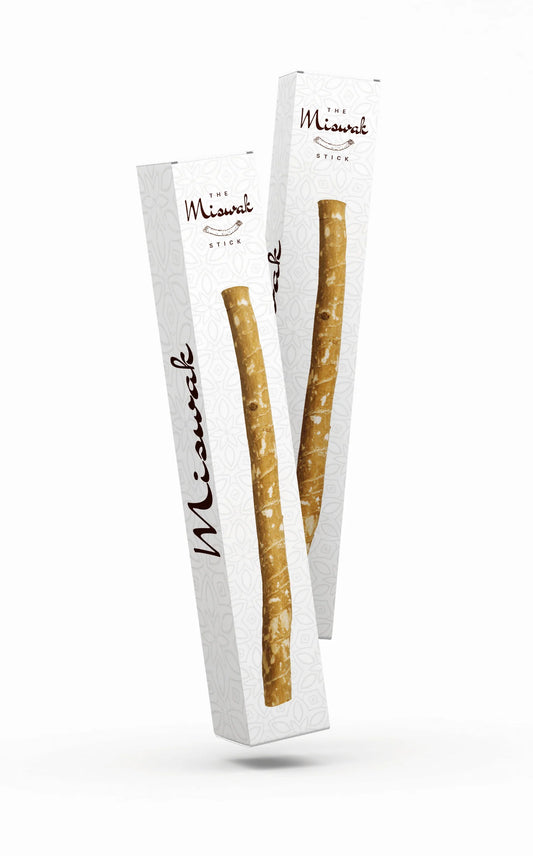
Yes! The traditional Miswak (salvadora persica) contains natural antibacterial properties and minerals that promote gum health and help clear surface plaque.
However, it should be used as an additional natural hygiene tool, rather than a complete replacement for flossing and target brushing in hard-to-reach areas. Combining traditional methods with modern tools gives you the best of both worlds.
Professional Dental Care You Shouldn’t Skip
No matter how flawless your at-home routine is, professional intervention is a necessity for long-term oral health:
-
Calcified Plaque Removal: Once plaque hardens into tartar (calculus), it cannot be brushed off at home. Only a dental hygienist can safely scrape it away.
-
Early Detection: Dentists use diagnostics to catch micro-cavities, gum recession, or enamel demineralization before they turn into painful, expensive problems.
-
Preventive Treatments: Professional fluoride varnishes or dental sealants can provide an extra shield for deep grooves prone to decay.
Warning Signs: How to Tell If Your Teeth Are Weakening
Keep an eye out for these early warning signals from your mouth:
-
Sudden Sensitivity: Sharp pain when consuming hot, cold, sweet, or acidic foods.
-
Visual Changes: Teeth looking transparent near the edges, chalky white spots (early decay), or an overall yellowish tint as enamel thins.
-
Frequent Cavities: Needing multiple fillings within a short period.
-
Gum Bleeding: Bleeding while brushing or flossing, which indicates early gum inflammation (gingivitis).
When to See a Dentist Immediately
Do not wait for your bi-annual checkup if you experience persistent, throbbing pain, visible dark holes/cracks in your teeth, or swollen, bleeding gums. These require urgent professional attention.
Frequently Asked Questions (FAQs)
Can weak teeth become strong again naturally?
Yes. Weakened enamel can be hardened again through saliva and proper oral care (remineralization). However, once enamel is completely lost or a cavity forms, it cannot grow back.
What is the fastest way to strengthen teeth?
Cut down on sugary snacks, drink plenty of water to boost saliva, and brush daily with a fluoride or nano-hydroxyapatite toothpaste.
Which foods are best for enamel health?
Dairy products such as cheese and yogurt provide calcium, fatty fish supply Vitamin D, and crunchy vegetables like carrots help clean teeth naturally while chewing.
How long does it take to improve tooth strength?
With consistent care, a proper diet, and the right toothpaste, you can expect a noticeable reduction in tooth sensitivity within 2 to 4 weeks.
Is fluoride necessary for strong teeth?
It is highly recommended because it bonds with enamel to fight acid. However, if you prefer a fluoride-free routine, Nano-Hydroxyapatite (nHAp) is an excellent natural alternative.
Can Miswak replace brushing?
No. Miswak is a great natural tool for removing plaque and refreshing breath, but it should be used alongside daily brushing and flossing, not as a replacement.
Final Thoughts
Strong, healthy teeth are not the result of a single product or a magic trick. They are the reward of simple, daily habits maintained over time. By balancing your diet, protecting your mouth from constant acid attacks, and partnering with your dentist, you can keep your smile bright and resilient for years to come.