For many people, achieving a brighter, whiter smile without relying on chemical bleaching agents is a priority. While most commercial whitening products use strong chemicals to break down stains, there are plenty of effective natural methods for teeth whitening that leverage household staples, ancient remedies, and better hygiene practices.
Though science is still catching up to fully validate every home remedy, many of these natural ways of whitening teeth work by gently scrubbing away surface stains, inhibiting bacteria growth, and strengthening your enamel.
Here, we explore 10 powerful, gentle, and effective strategies for natural teeth whitening at home, starting with ancient traditions and moving through modern dietary and hygiene adjustments.
Part I: Ancient Secrets and Daily Polishes
1. Practice Oil Pulling with Coconut Oil
Oil pulling is a traditional practice, originating in India, that has gained modern popularity for promoting oral health. It involves swishing oil—typically coconut oil—around in your mouth to physically remove bacteria. Since bacteria lead to plaque, which can turn your teeth yellow, regular oil pulling helps keep your teeth clean and naturally whiter.
Coconut oil is favored due to its mild taste and high concentration of lauric acid, known for its antimicrobial properties. Limited evidence suggests daily oil pulling can reduce mouth bacteria, plaque, and gingivitis. Best of all, unlike acidic methods, oil pulling does not expose your teeth to ingredients that erode enamel, making it safe for daily use.
How to do it: Swish 1 tablespoon (15 ml) of melted coconut oil in your mouth for 15 to 20 minutes. Be sure to spit the used oil into a trash can or toilet to prevent drain clogs.
Fresh Breath Starts Naturally
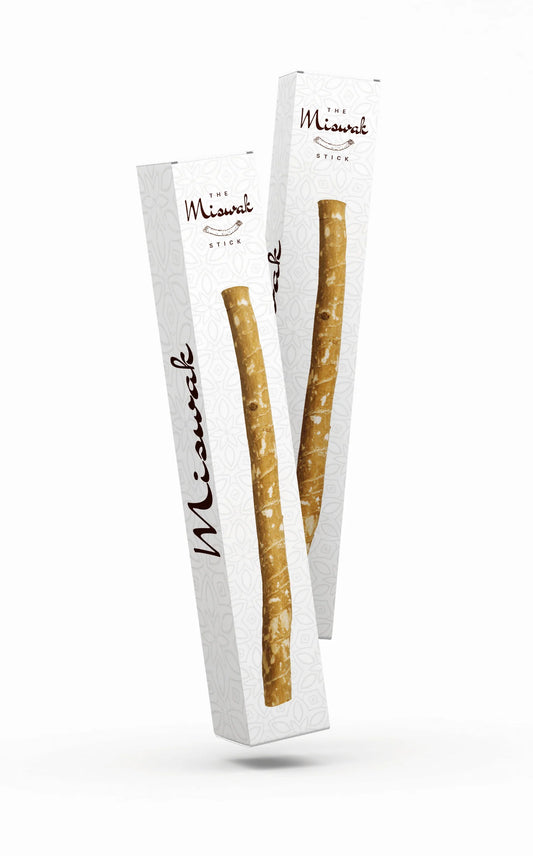
Keep your mouth feeling clean and refreshed throughout the day with authentic miswak sticks.
Get Fresh Miswak Delivered2. Discover the Power of the Miswak Stick
For thousands of years, the Miswak stick has been revered as a natural way of whitening teeth and achieving holistic oral hygiene. Sourced from the Salvadora persica tree, this natural chewing stick is essentially a toothbrush and toothpaste in one.
The Miswak’s fibers act as gentle, natural bristles, while the stick itself contains beneficial natural compounds:
-
Abrasive Silica: This natural mineral acts as a mild abrasive to gently polish the enamel and scrub away surface stains without harsh scrubbing.
-
Natural Detergents: The stick releases natural compounds that clean the tooth surface and prevent plaque buildup.
-
Antimicrobial Agents: These agents help kill mouth bacteria, preventing the plaque that causes yellow discoloration.
Regular use of a Miswak stick is an excellent, sustainable, and proven natural method for teeth whitening that works through continuous gentle cleaning and the removal of yellow-causing plaque.
3. Brushing with Baking Soda
Baking soda (sodium bicarbonate) is a widely recognized ingredient in commercial toothpastes for a good reason—it possesses natural whitening properties. It acts as a mild abrasive that is effective at scrubbing away surface stains on teeth.
In addition to its scrubbing power, baking soda helps create an alkaline environment in your mouth. This helps inhibit the growth of bacteria, which are essential for preventing the plaque that leads to discoloration. While this isn't an overnight fix, consistency over time can lead to a noticeable difference in the brightness of your smile.
How to do it: Mix 1 teaspoon (6 grams) of baking soda with 2 teaspoons (5 ml) of water to form a paste. Brush your teeth gently with this mixture a few times per week.
Part II: Dietary and Chemical-Conscious Aids
4. Rinse with Diluted Hydrogen Peroxide
Hydrogen peroxide is a potent natural bleaching agent that effectively kills mouth bacteria. Many professional and commercial whitening products utilize peroxide, though typically in much higher concentrations than is safe for home use.
When used correctly and safely, hydrogen peroxide can be an effective part of your natural teeth whitening at home routine. However, it must be heavily diluted, as strong concentrations or overuse can cause significant gum irritation and tooth sensitivity.
How to do it: Use a 1.5% or 3% solution. The common drugstore 3% solution should be diluted by mixing equal parts peroxide and water to create a 1.5% solution. Use this as a quick mouthwash before brushing, and limit use to a few times per week. Do not swallow.
5. Utilize Crunchy Fruits and Vegetables
While they are no substitute for your regular oral hygiene routine, certain raw, crunchy fruits and vegetables can provide a mild scrubbing action as you chew. Hard, fibrous produce like apples, carrots, and celery can help rub away plaque and stimulate saliva production, which naturally cleanses the mouth.
Incorporating a diet high in fresh produce is an indirect but essential strategy for the long-term maintenance of your white smile. This is a foundational step in understanding the natural ways of whitening teeth through diet.
6. Make a Strawberry and Baking Soda Paste
Popularized by celebrities, the combination of strawberries and baking soda is another widely practiced natural teeth whitening at home method. Proponents claim that the malic acid found in strawberries helps remove discoloration, while the baking soda buffs away surface stains.
While strawberries may help exfoliate the tooth surface, their acidic nature means this method should be used sparingly to avoid enamel erosion.
How to do it: Smash a fresh strawberry, combine it with a pinch of baking soda, and gently brush the mixture onto your teeth. Limit use to a few times per week.
7. Boost Enamel with Calcium-Rich Foods
The yellow appearance of teeth is often not just surface staining but can be caused by the erosion of the hard outer enamel, revealing the naturally yellow dentin underneath. Therefore, anything that strengthens your enamel is an excellent natural method for teeth whitening in the long term.
Calcium-rich foods like milk, cheese, and broccoli help protect your teeth from enamel erosion. Ensuring you get plenty of calcium in your diet is a foundational step in keeping your teeth strong and pearly white from the inside out.
Part III: Prevention, Hygiene, and Maintenance
8. Mastering Proper Brushing and Flossing Technique
The most effective and scientifically proven natural way of whitening teeth is simply consistent, high-quality oral hygiene. Tooth discoloration is often a direct result of plaque buildup, which can be prevented through daily brushing and flossing.
-
Brushing: Use a soft-bristled toothbrush and brush for two minutes, twice daily. The paste gently rubs out stains, and the brush removes bacteria.
-
Flossing: Flossing removes bacteria and food particles trapped between teeth that lead to plaque and discoloration.
Regular dental cleanings are also crucial for removing hardened plaque and keeping your teeth clean.
9. Limiting Staining Foods and Beverages
Prevention is key to maintaining a bright smile. Certain foods and beverages are notorious for their staining properties:
-
Coffee and tea
-
Red wine
-
Soda (especially dark-colored ones)
-
Dark berries
While you don't have to eliminate them entirely, you should limit the amount of time they are in contact with your teeth. If possible, drink staining beverages through a straw. Crucially, wait about 60 minutes after consuming these items before brushing your teeth. This waiting period allows your enamel to re-harden after exposure to acids.
10. Avoid Brushing Immediately After Eating Sugar
A diet high in sugar feeds the Streptococcus mutans bacteria, which cause plaque and gingivitis—leading to stained teeth. However, if you consume sugary or acidic food, you must wait 30 minutes to one hour before brushing.
The bacteria that break down sugar produce acid, which temporarily softens your enamel. Brushing too soon after eating or drinking can literally scrub away that softened enamel, worsening the yellow appearance caused by exposed dentin. This timing adjustment is a critical part of natural teeth whitening at home.
The Bottom Line
Achieving and maintaining a naturally white smile is a commitment that involves balancing ancient remedies like The Miswak Stick and coconut oil pulling with excellent modern hygiene and conscious dietary choices.
While these natural methods for teeth whitening can be highly effective at removing surface stains and preventing discoloration, they work gradually. If you have severe, deep tooth discoloration, professional dental bleaching may be the only solution. Always consult with your dentist about your options and which methods are best suited for your long-term oral health.
Frequently Asked Questions
1. What is the best natural way to whiten teeth?
Regular brushing, using Miswak, eating healthy foods, and maintaining good oral hygiene are some of the best natural ways to keep teeth looking white.
2. Can Miswak help remove stains from teeth?
Yes, Miswak can help remove surface stains and plaque while supporting healthier gums and fresher breath.
3. Is coconut oil pulling good for teeth?
Coconut oil pulling may help reduce bacteria and plaque in the mouth, which can support better oral health and a cleaner smile.
4. Which foods can help keep teeth white?
Crunchy fruits and vegetables such as apples, carrots, and celery can help clean the teeth and reduce plaque buildup.
5. How long does natural teeth whitening take?
Natural whitening methods work gradually. Results vary from person to person, but regular use can help improve the appearance of your teeth over time.
Start Your Natural Oral Care Journey Today
Cleaner teeth. Fresher breath. Healthier gums. Experience the benefits of authentic miswak for yourself.
Shop Fresh Miswak Sticks