Are you searching for the secret to a brighter, healthier smile without resorting to harsh chemicals? The desire for whiter teeth is universal, and thankfully, nature provides a wealth of safe and effective remedies. This comprehensive guide explores the best natural teeth whiteners—from ancient oral care traditions to everyday fruits and vegetables—that can help remove surface stains and enhance your overall oral hygiene.
The journey to a naturally brighter smile often starts with understanding what is a natural teeth whitener. Simply put, these are ingredients found in nature that contain mild abrasives, natural acids, or enzymes that help break down the pellicle layer (a thin film that forms on your teeth) and lift surface stains, leading to a visibly brighter appearance.
Fresh Breath Starts Naturally
Keep your mouth feeling clean and refreshed throughout the day with authentic miswak sticks.
Get Fresh Miswak DeliveredThe Best of Ancient Wisdom: Miswak Stick
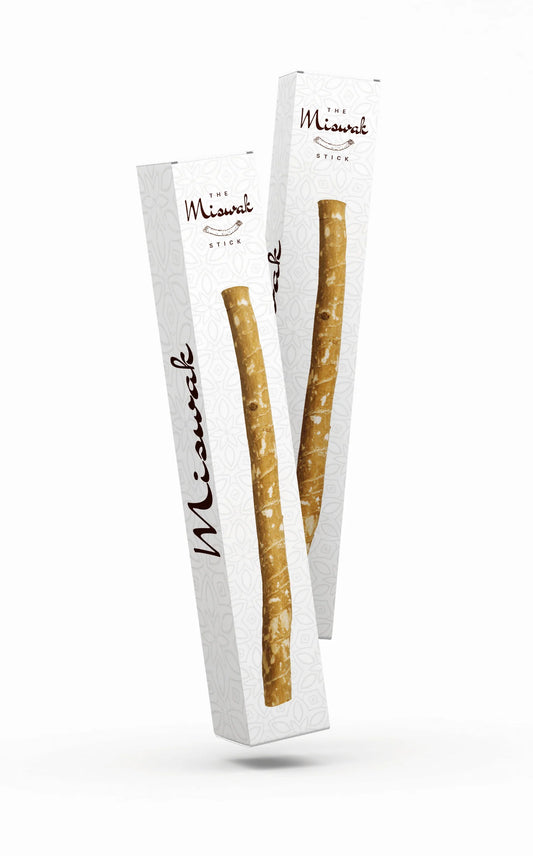
If you are looking for a time-tested, all-in-one natural solution, the miswak stick stands out as arguably the best natural teeth whitener and oral hygiene tool.
The Power of Miswak (Siwak)
The miswak is a chewing stick derived from the Salvadora persica tree (Arak tree) and has been used for centuries across the Middle East, Africa, and Asia. It's more than just a natural toothbrush; it's a complete oral health system in a stick.
-
Natural Whitening: The miswak contains natural abrasives, like silica, and beneficial minerals that gently polish the teeth and remove surface stains caused by coffee, tea, or tobacco, contributing to a naturally whiter smile.
-
Antibacterial Properties: Scientific studies have shown that the miswak possesses strong antibacterial compounds that actively fight against plaque-forming bacteria, reducing build-up and promoting healthier gums.
-
Enamel Strengthening: It naturally contains components like fluoride, calcium, and chloride, which help strengthen tooth enamel.
-
Easy to Use: You simply chew on one end of the stick until the fibers form bristles, then use it to brush and massage your teeth and gums. No toothpaste is required!
The miswak is highly recommended for its centuries of documented use in maintaining oral cleanliness and fighting the sources of discoloration—making it a top contender in any discussion about what is a natural teeth whitener.
Fruit-Powered Stain Removers: Enzymes and Acids
Certain fruits and vegetables are not only essential for a healthy diet but also contain compounds that naturally assist in breaking down surface stains on your teeth.
Pineapple: The Enzyme Action
-
Key Component: Pineapple contains a potent enzyme called bromelain.
-
How it Works: Bromelain is known to help break down the protein matrix of the pellicle layer, the film on your teeth where stains adhere. By disrupting this layer, the enzyme can effectively lift surface stains. Many commercial toothpaste formulations are now starting to incorporate this natural enzyme.
Strawberries: Malic Acid Magic
-
Key Component: Strawberries are rich in malic acid.
-
How it Works: Malic acid is a natural astringent, which can help dissolve and remove surface stains. A popular home remedy involves mashing a fresh strawberry and gently brushing your teeth with the paste for a short period. (Note: Due to their acidic nature, this remedy should be used sparingly and always followed by rinsing and brushing with regular toothpaste to prevent enamel erosion.)
Brushing and Rinsing: The DIY Staples
Two of the most well-known DIY whiteners combine simple, accessible pantry items to tackle discoloration. While effective for removing surface stains, these methods require caution and moderation.
Baking Soda and Hydrogen Peroxide Paste
-
The Mix: Mix baking soda (sodium bicarbonate) with a small amount of diluted hydrogen peroxide (usually 3%) to form a paste.
-
The Science: Baking soda is a mild abrasive that gently scrubs away plaque and surface stains. Hydrogen peroxide is a mild bleaching agent often found in professional whitening products.
-
Safety Note: This mixture should only be used occasionally (once a week or less) for 1–2 minutes. Overuse of hydrogen peroxide can increase tooth sensitivity, and excessive abrasion from baking soda can be too harsh on enamel.
Oil Pulling with Coconut Oil
-
The Process: Swish a tablespoon of coconut oil in your mouth for 10–20 minutes, then spit it out and brush your teeth normally.
-
The Benefits: Oil pulling is an ancient Ayurvedic practice believed to pull bacteria and toxins out of the mouth. Coconut oil contains lauric acid, which may help remove bacteria that contribute to plaque and yellowing. While there is limited scientific evidence specifically for whitening, regular oil pulling can improve overall oral health, which contributes to a brighter smile.
The Dietary Advantage: Crunchy Foods and Hydration
Some of the simplest and safest natural teeth whiteners are found in your everyday diet. These foods work by mechanically cleaning the tooth surface and boosting natural defense mechanisms.
Crunchy Fruits and Vegetables
-
Action: Apples, celery, and carrots act as natural, mild toothbrushes.
-
Mechanism: Their crunchy texture helps scrub away food particles and plaque as you chew. Furthermore, chewing them stimulates saliva production, which is your mouth's natural way of neutralizing acids and washing away bacteria and stains.
Dairy and Leafy Greens
-
Strengtheners: Foods like spinach and kale are high in calcium, a vital mineral that helps strengthen your tooth enamel. Hard cheeses can also help remove food particles and, like crunchy vegetables, stimulate saliva flow.
Drink Plenty of Water
-
The Natural Rinse: Drinking water frequently, especially after consuming staining foods (like coffee, red wine, or berries), helps rinse your mouth, washing away food particles and reducing the lingering presence of staining compounds. This is one of the easiest ways to prevent new surface stains from forming.
Your Path to a Bright and Healthy Smile
Achieving and maintaining a naturally white smile is a long-term endeavor that relies on consistency, proper technique, and moderation. While remedies like the miswak stick and simple dietary changes are excellent, keep the following tips in mind:
-
Brush Smart: Always use a soft-bristled brush and fluoride toothpaste (or a natural alternative like miswak) twice a day.
-
Rinse After Stains: If you consume staining foods or drinks, rinse your mouth with water immediately, or wait 30 minutes before brushing to allow your enamel to re-harden.
-
Consult Your Dentist: For the most dramatic or deep-set stains, professional cleanings and advice from your dentist are irreplaceable.
By integrating the best natural teeth whiteners—from the venerable miswak stick to the simple act of eating an apple—into your daily routine, you can safely and effectively work toward a healthy, radiant smile.
Frequently Asked Questions
1. What is a natural teeth whitener?
A natural teeth whitener is a natural ingredient or product that helps remove surface stains and improve the appearance of your teeth without harsh chemicals.
2. Is Miswak good for whitening teeth?
Yes, Miswak can help remove plaque and surface stains while supporting healthy gums, making teeth look cleaner and brighter over time.
3. Can fruits help whiten teeth naturally?
Some fruits, such as pineapple and strawberries, contain natural compounds that may help reduce surface stains when used carefully.
4. Is baking soda safe for teeth whitening?
Baking soda can help remove surface stains, but it should be used occasionally because overuse may wear down tooth enamel.
5. What is the easiest way to keep teeth white naturally?
Brush regularly, use Miswak, drink plenty of water, and limit foods and drinks that can stain your teeth to maintain a brighter smile.
Start Your Natural Oral Care Journey Today
Cleaner teeth. Fresher breath. Healthier gums. Experience the benefits of authentic miswak for yourself.
Shop Fresh Miswak Sticks